
CONFERENCE PROGRAMME

DAY 1 - MONDAY 23 NOVEMBER
Note: Programme subject to change.
9:00 Conference welcome
Emily Writes is a mother, writer, volunteer, and advocate. Emily has published three books with Penguin Random House.
Her newsletter Emily Writes Weekly reaches thousands of New Zealanders, encouraging them to support each other and their communities.
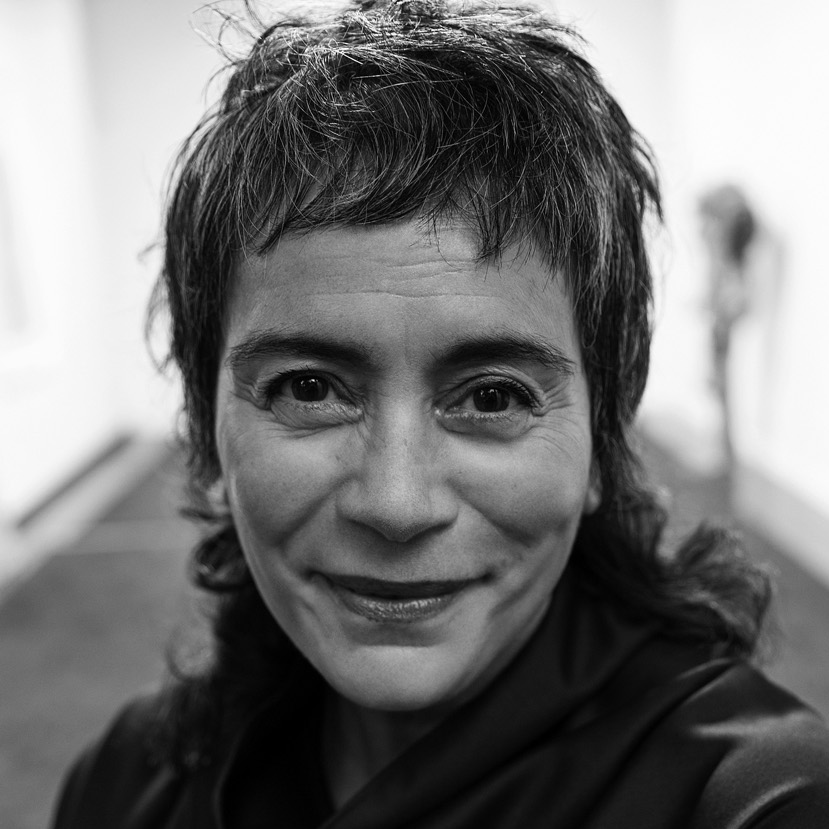
Lisa Reihana (Ngāpuhi, Ngāti Tūteauru, Ngati Hine, Ngāi Tūpoto) is a multi-disciplinary artist whose practice spans film, sculpture, costume and body adornment, text and photography. Since the 1990s she has significantly influenced the development of contemporary art and contemporary Māori art in Aotearoa New Zealand. Her ability to harness and manipulate seductively high production values is often expressed through portraiture where she explores how identity and history are represented, and the intersection of these ideas with concepts of place and community.
Through a pioneering practice combining photography, video and installation, Lisa Reihana employs a philosophy of ‘making’ rather than 'taking’, with a long-standing emphasis on portraiture and historical ancestral narratives. In 2017 she represented Aotearoa New Zealand at the Venice Biennale, with a 24-metre wide video artwork animating early French contacts with the Pacific. Reihana is a Member and a Companion of the New Zealand Order of Merit (2018, 2022), New Zealand Arts Laureate for her services to art.
10:15 Morning Tea
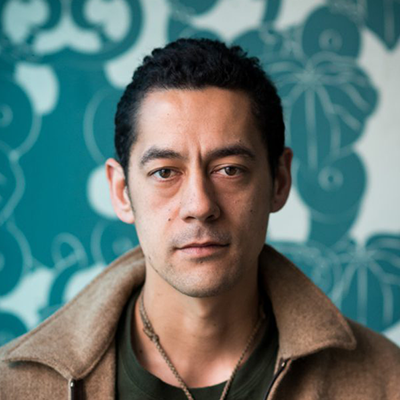
Details and panelists to come.
Dr Johnson Witehira (Tamahaki, Ngāi Tuteauru, Ngāti Hāmoa), a leading expert on Māori art and design, has an extensive history of work in and across the GLAM sector. As an artist Johnson has worked with a number of galleries and curators across Aotearoa, with his works being shown in several of New Zealand’s most prestigious spaces.
Johnson is currently a Professor of Toi Hangarau (Creative Technology) at Massey University's Toi Rauwhārangi. As a former director at IDIA, an indigenous design organisation based in Wellington, Johnson has also been engaged on various projects helping Aotearoa’s GLAM sector build better experiences for Māori. Recently IDIA undertook a significant piece of research, alongside ArchivesNZ, into how Te Reo Māori is applied across digital platforms. Working alongside Te Puna Mātauranga Johnson also recently led the development of a unique digital learning resource for kura Kaupapa Māori.
What happens when someone walks into an exhibition and doesn't see themselves anywhere in it? For Deaf and disabled communities that absence is the norm rather than the exception; in collections, in stories told, and in who is welcomed at the front desk. This session looks at visibility as a foundation for genuine community engagement, not an add-on to it. Drawing on of what's possible when communities are invited in as partners rather than subjects, Stace Robertson explores where, and where not, Deaf and disabled people and their histories appear in our collections and exhibitions.
Digital tools have real potential here: to widen access, to hold space for stories institutions have historically missed, and to make visibility a practice rather than a promise. This talk is a provocation to build that practice with, not for, the communities it's meant to serve.
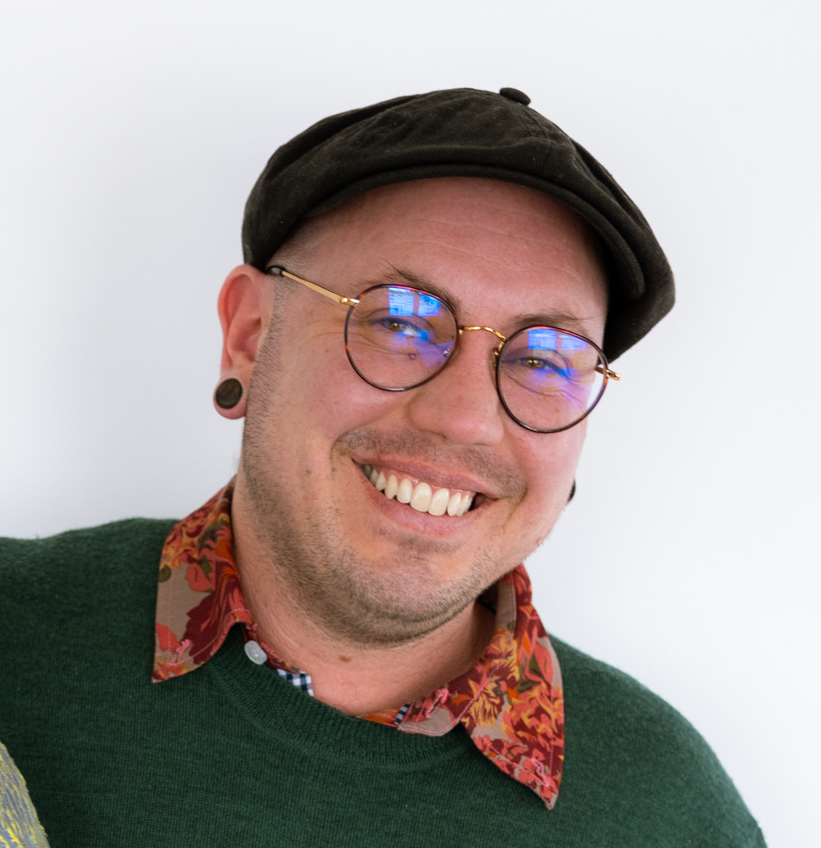
Stace Robertson (pronouns: he/him/they/them) is Lead Accessibility Advisor Kaiārahi a Toi Ōritetanga at Arts Access Aotearoa, where Stace advises the arts sector on accessibility policy, advocates for increased access, and supports inclusive practice. Stace is also the main point of contact for the Taha Hotu Deaf and Disabled Artists' initiative.
A practising artist working in ceramics, Stace holds a BMA (Hons) in painting and sculpture from Wintec. With a background spanning intersectional advocacy, community development and governance roles, Stace has strong connections across disability communities and brings that experience to supporting access and equity across a range of settings.
Picture: weak robots hand built by a Japanese professor; a chorus of hacked Furbies; an obsolete ELIZA chatbot running on an emulated mainframe; discarded service robots hooked up to external AI brains; and dancing in a closed feedback loop with lab grown braincells.
This was FRIEND (Nov 25-May 26), the NCM exhibition exploring how people attach meaning, emotion and memory to technologies—co-creating companions, collaborators and cybernetic extensions of themselves. FRIEND asked what becomes possible when we question how people relate to embodied, intelligent and living machines. It was fundamentally a project about connection: between humans and machines, but also between the people making them.
Bringing together artists, researchers, technologists and technologies from across Australia, Asia and the UK, the project explored how self organisation, care and slowness as method can prompt innovation, new ways of working together, embracing deep collaboration and even failure. In doing so, the project forged new systems with internal and external collaborators, accidentally launching a creative technology studio a year early.
Spanning tech, design, curatorial and the stuff in-between, this talk unpacks the behind-the-scenes of making FRIEND: what worked, what didn’t, what we learned and why that matters for how we build and collaborate together now.
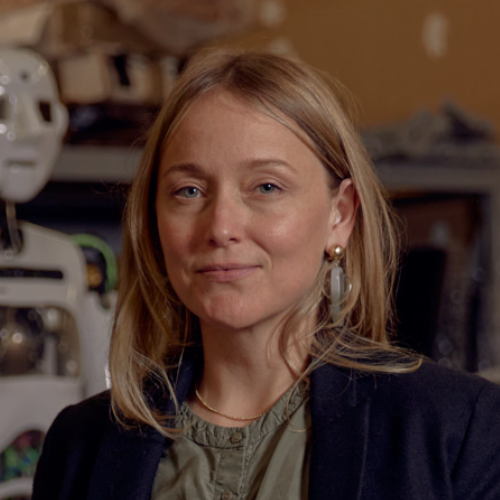
Jemimah Widdicombe leads the development of exhibitions, digital projects and collection acquisitions as Senior Curator at the National Communication Museum (NCM) in Naarm/Melbourne, Australia. Her work focuses on the intersection of culture and technology, and is underpinned by foundations in human interaction research and design, and cultural production. She is the founding curator of the National Communication Museum, an experimental technology museum opened in 2024 in Melbourne, Australia. Her recent curatorial projects at NCM include Rising Festival 2026, FRIEND and Instruments of Surveillance.
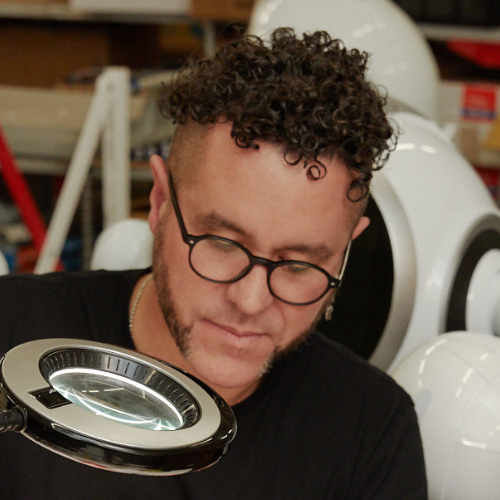
Jesse Stevens is an Artist, Creative Technologist, and Creative Lead of NCM Studio, the in-house technology laboratory of the National Communication Museum (NCM). Jesse brings over 25 years of expertise across a broad spectrum of arts technology bridging virtual and physical space. A passionate advocate for retro-futurism and embodied AI, Jesse builds the worlds he wishes to live in. For two decades, he has been one half of technology art duo Cake Industries with Dean Petersen, producing anthropomorphic and autonomous sculptural works through mechatronics, robotics, and reworked everyday objects. He seeks the ghost in the machine, and pushes for a great big beautiful tomorrow.
12:30 Lunch
Our talk will showcase Mōkihi of Time, an innovative edutainment game that invites tamariki to paddle a traditional raupō mōkihi down the Ōtākaro Avon River, and through time itself. Developed through an ambitious partnership between One Simple Matter, Christchurch City Council, Christchurch City Libraries, Canterbury Museum, and Christchurch Archaeology Project, and with funding from Smart Christchurch, the game places players inside a photorealistic virtual environment that recreates Ōtautahi Christchurch from the 1850s through to the present day.
As players navigate the river, they collect real artefacts that were unearthed during archaeological work on sites alongside the river that are rendered in the game as interactive 3D laser-scanned models. Collecting an artefact brings up its story: what it is, who used it, and where it sits in the city's layered history. Stories and postcards provide more details about the artefacts and places. Bridges, buildings, and landscapes along the river have been digitally reconstructed using photogrammetry and archival imagery, grounding the experience firmly in place.
Currently in prototype, Mōkihi of Time demonstrates what is possible when cultural institutions and game developers work together, using innovative techniques to develop an engaging way for young people to learn about the history of their city.
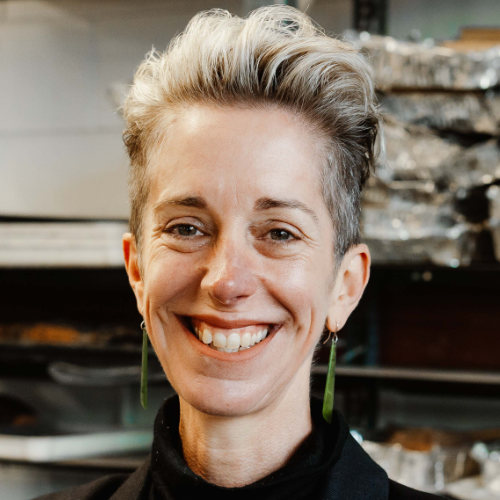
Katharine Watson is the chair of Christchurch Archaeology Project, a not-for-profit organisation she established with two colleagues to save, share and research Ōtautahi Christchurch’s archaeological heritage. Katharine is passionate about Aotearoa’s rich and varied heritage, and about sharing that heritage with others. Prior to running Christchurch Archaeology Project, she owned and ran an archaeological consultancy. She still does some consultancy work.
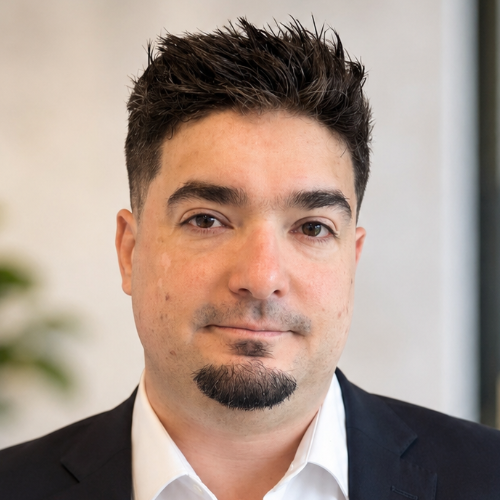
Marcos Gabriel Merlo is a game developer and immersive-technology specialist with over 15 years’ experience across games, XR and digital storytelling. He began in the video games industry at Ivolgamus, Nordcurrent and Main Core, contributing to AAA titles for DreamWorks and Activision. In Aotearoa, he was CTO and Lead Game Developer at Conical, leading VR, AR and interactive titles including Green Fairy and other educational experiences. He later worked at Aurecon on advanced visualisation and interactive consultation tools. Trading as One Simple Matter, Marcos leads the development of Mōkihi of Time.
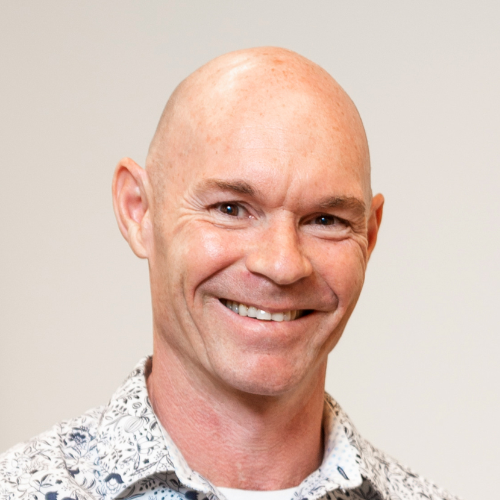
Danny McNeil has worked for the last 14 years in Christchurch City Council Libraries in the innovative technologies and public programming space. Ensuring that Ōtautahi’s diverse communities have equitable access to exciting new technologies, programming and opportunities is his focus. Implementation of public Auahatanga – Creative Spaces has seen Danny involved in everything from 3D Printing and Laser Cutting technologies through to VR, AR and more recently Esports into Public Library offerings. Creative collaboration and partnerships are also key elements of his role of which the Mōkihi of Time Kaupapa is a perfect example.
What changes when Indigenous scholarship begins not with colonial disruption, but with Indigenous relationality?
Further Along the Spiral developed through the creation of a digital artwork in which a Mvskoke knot unfolds into a continuous spiral connecting human movement, ancestral knowledge, land, time, and cosmos. Rather than illustrating an argument developed beforehand, the process of making the artwork became a method for working through the philosophical argument itself.
The work asks what is lost when colonialism becomes the temporal focal point through which Indigenous peoples are understood, and what becomes possible when Indigenous relationships and intellectual traditions become the focal point instead. Drawing from Mvskoke thought and my own artistic practice, I consider visual art not simply as an object through which knowledge is represented, but as a process through which knowledge can be generated. The presentation invites conversation about Indigenous visual methodologies, nonlinear understandings of time, and the possibilities of bringing art and argument into closer relationship within academic practice.
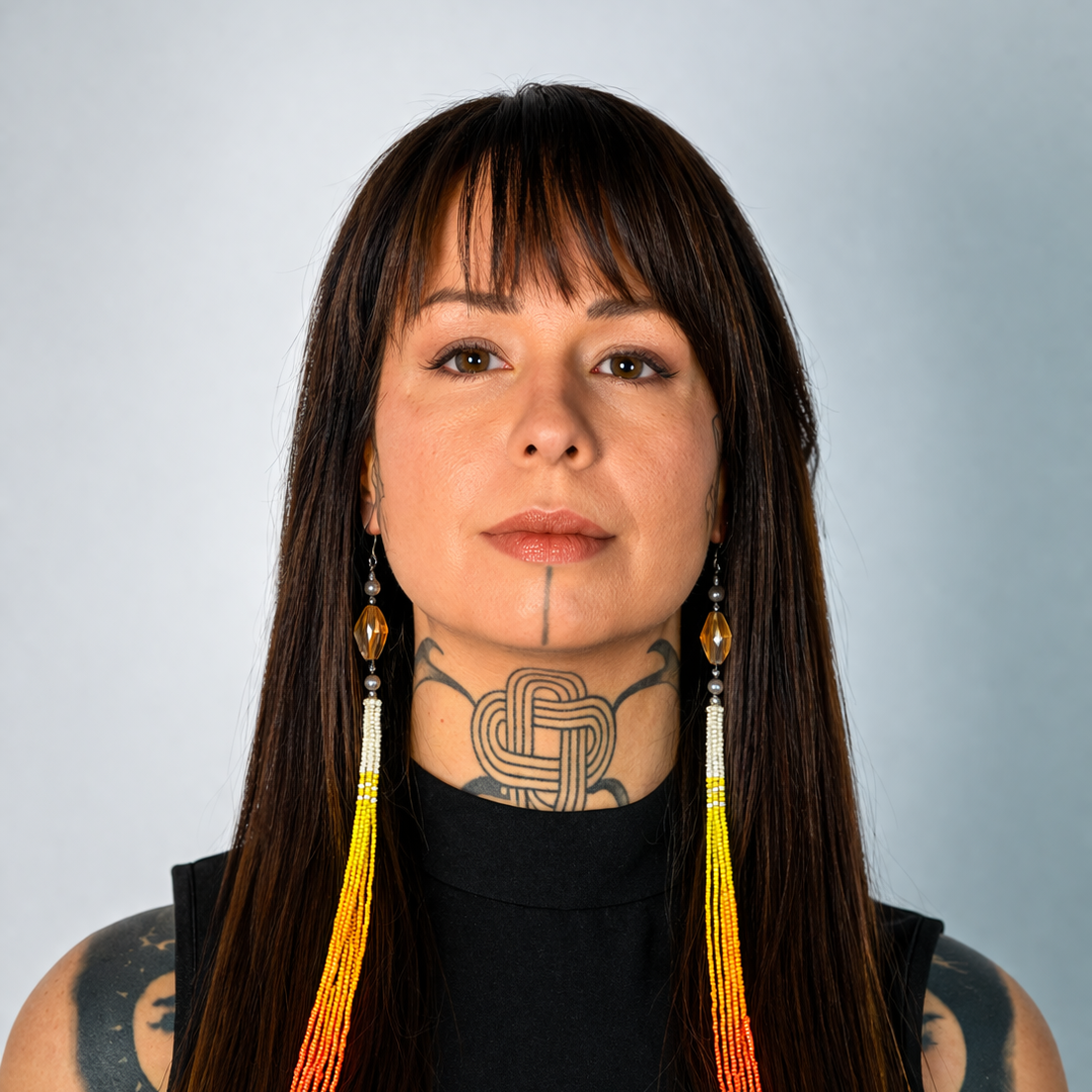
Britt Postoak is a Mvskoke citizen, mother, artist, and undergraduate scholar in Native American and Indigenous Studies at Fort Lewis College in Colorado. She is currently studying Indigenous Studies at Charles Darwin University in Australia. Her research explores Mvskoke art, relationality, ceremony, and visual methodologies, with particular interest in how artistic practice can function as a way of thinking, theorizing, and producing knowledge. Her current work asks what becomes possible when Indigenous intellectual traditions, rather than colonialism, become the starting point for Indigenous scholarship.
Dr Johnson Witehira (Tamahaki, Ngāi Tuteauru, Ngāti Hāmoa), a leading expert on Māori art and design, has an extensive history of work in and across the GLAM sector. As an artist Johnson has worked with a number of galleries and curators across Aotearoa, with his works being shown in several of New Zealand’s most prestigious spaces.
Johnson is currently a Professor of Toi Hangarau (Creative Technology) at Massey University's Toi Rauwhārangi. As a former director at IDIA, an indigenous design organisation based in Wellington, Johnson has also been engaged on various projects helping Aotearoa’s GLAM sector build better experiences for Māori. Recently IDIA undertook a significant piece of research, alongside ArchivesNZ, into how Te Reo Māori is applied across digital platforms. Working alongside Te Puna Mātauranga Johnson also recently led the development of a unique digital learning resource for kura Kaupapa Māori.
14:30 Joint Q&A
Talei Masters is the Specialist Advisor Rights Management at Archives New Zealand Te Rua Mahara o te Kāwanatanga and the National Library of New Zealand Te Puna Mātauranga o Aotearoa. She advises the institutions on rights management policy and process for archives, published library collections, and online resources. Talei has a background in facilitating access to and rights in archives and records.
This lightning talk will discuss how some preliminary experimentation with Copilot leads to an investigation of the ways it gets things wrong; in this case Ngā Upoko Tukutuku/Māori Subject Headings. I was attempting to get a suitable summary of a recorded interview, Copilot offered to find appropriate subject headings for the summary. It kept finding new and exciting ways to be incorrect. Eventually I did find a way to make it work - but at the cost of more time than purported use of AI would save! That led to some deeper questions of AI and the usage of Māori data.
This falls under Whakairohia te rākau taumatua \ Crafting collaboration and innovation, specifically disproved use cases. I think this will be interesting to the attendees of NDF due the combination of the appearance of Māori data and AI’s inability to correctly use it, being more inclined to give an answer than be correct. This has implications for how libraries and other institutions use AI, especially when creating records using Māori data, and it would be great to connect to other attendees who are attempting similar use cases.
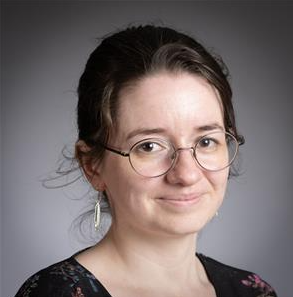
Nik Crombie (Kahugnunu, Rongomaiwahine, Rakaipaaka) is currently a Digital Research Services Coordinator at Te Herenga Waka - Victoria University of Wellington and has worked in libraries for most of her career. She is co-chair of the Local Contexts Library Working Group. Her professional interests include data sovereignty, indigenous metadata, accessibility and digital preservation.
How can we encourage better visibility of what is held within our collections? How can we link collections across institutions to demonstrate the importance of a distributed national collection? How do we resurface the stories that already exist to a wider audience?
Since launching our collection-sharing website Kōtuia ngā Kete in 2023, we’ve been experimenting with how we can surface collections through short form collection-linking kete | sets and long-form researched kōrero | stories on the site.
This lightning talk will look at some of the content types and models we’ve tested, look at the limits of our existing platform and ask how we might help collection holding communities to share their knowledge into the future.
Content on Kōtuia is reliant on hononga | connections, working with and across communities to highlight taonga, linking distributed collections together and enabling richer stories to be told. By asking questions of our own processes, it opens the door to a wider conversation about how we can do better at sharing our stories online.

Emma Philpott is the programme lead for collection-sharing site Kōtuia ngā Kete through her role as Content and Resource Adviser | Kaitohutohu Rauemi for Te Papa’s sector outreach team National Services Te Paerangi. She has spent more than a decade at Te Papa working across sector support, content development and policy roles. She has previously worked for non-profit, charity and cultural sectors both in NZ and the UK. She is particularly interested in championing good practice and innovative solutions in the museum and gallery sector.
15:30 Afternoon Tea
16:35 Joint Q&A
16:45 Day 1 Closing
17:00 NDF Connect
Tahi is an AI platform produced in partnership between New Zealand Geographic and RNZ, with contribution from several public agencies with significant cultural heritage collections, including National Library of New Zealand, Archives New Zealand and Manatū Taonga- the Ministry for Culture and Heritage, as well as the Royal Society and Legislation.govt.nz. In this presentation, the team will introduce Tahi AI, outlining the drivers, values and direction, and how Tahi can create new opportunities for both our cultural institutions and public users, while protecting the sovereignty and integrity of New Zealand’s knowledge culture.
This talk explores how digital practice is reshaping what it means to be an archive from the perspective of Ngā Taonga Sound & Vision. It examines how archival institutions respond to changing expectations, technologies and communities, and the choices they make along the way.
From a collecting perspective, we reflect on what we prioritise as an archive and how digital formats challenge traditional approaches to appraisal and stewardship. What does it mean to collect something that is fluid, linked, or constantly evolving?
We will explore the tensions, challenges and opportunities of being a digital archive today, including questions of scale, sustainability, trust and digital equity. Participants from cultural institutions and agencies across Aotearoa New Zealand are likely to be grappling with similar issues as they collect, preserve and provide access to digital content.
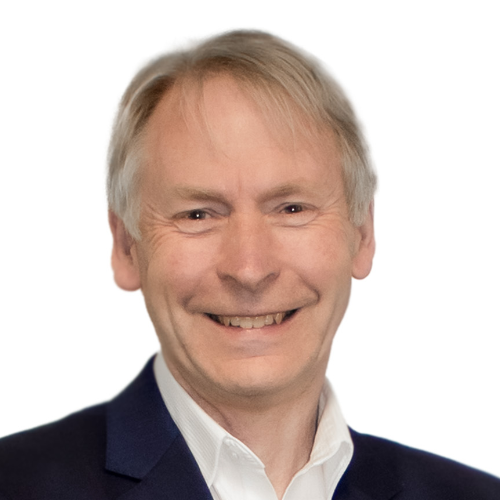
Richard Hulse is Chief Digital Officer at Ngā Taonga Sound & Vision. He has a strong background in broadcasting and digital. More recently, Richard has spent time at Te Papa, as Head of Digital, at GS1, and in private consulting/coaching practice.
As well as having worked as a sound engineer and producer, Richard led RNZ's transition from analogue to digital documentary production. He also established and led RNZ's digital operation and website for 10 years.
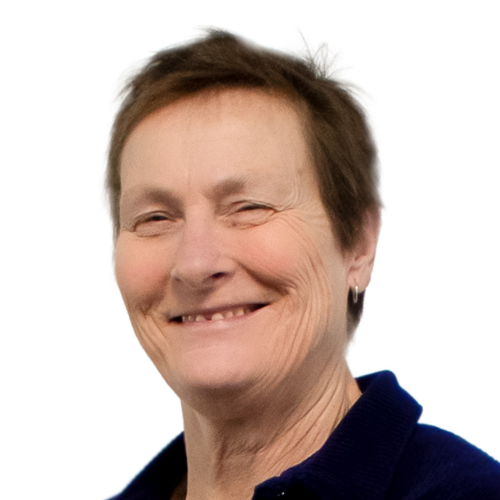
Kate Roberts was the project executive for the Utaina mass digitisation project (2021–2025) and is now Strategic Advisor, Archiving at Ngā Taonga Sound and Vision in Wellington, New Zealand. She comes from the museum and library sector, having trained as a conservator in Canberra in the 1980s and worked at Te Papa Tongarewa, the National Library of New Zealand, Archives New Zealand, Auckland City Libraries, and the Art Gallery of Western Australia. While in Western Australia, Kate volunteered at the Kimberley Language Resource Centre from 2014 to 2015, writing its digitisation plan for audio recordings and kick-starting her career shift into audiovisual archiving.
DAY 2 - TUESDAY 24 NOVEMBER
Note: Programme is subject to change.
9:00 Opening
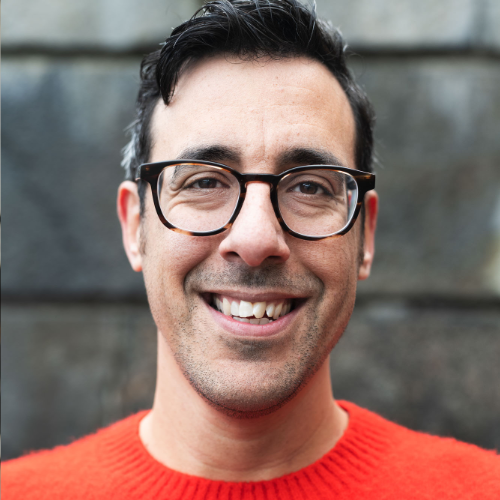
Ash Mann has spent most of the last couple of decades inside the world of digital in cultural organisations - in-house, as an agency director, and now as an independent consultant. He works with leaders, teams, and organisations across Europe and North America on challenges that usually involve a messy combination of people, strategy, technology, and change.
He spends a lot of time thinking about the conditions that surround digital work and each year he explores a question about what makes digital work, or not. Last year it was failure, this year it’s the invisible labour that nobody budgets for or understands.
He hosts the Digital Works podcast, writes a weekly newsletter, and lives in Göteborg on the west coast of Sweden with his wife and their new baby.
Digital literacy programmes have existed for decades. Yet people and institutions continue to face misinformation, phishing, unsafe data practices, AI misuse, and declining trust in digital environments.
This plenary argues that digital literacy must now move beyond technical skills, confidence, and knowledge alone. In the age of AI, digital literacy brings together Digital Skills, Cybersecurity Awareness, and AI Competency. These domains enable people to use digital systems, protect information and communities, and judge AI-generated outputs, recommendations, and actions.
The presentation introduces Knowledge, Capability, and Reflection as three forms of evidence for understanding digital literacy. Knowledge concerns what people understand. Capability concerns what they can do in authentic digital situations. Reflection concerns how they explain, evaluate, and justify their decisions. This approach shifts assessment from what people say they know toward observable behaviour and responsible judgement.
The plenary also connects digital literacy with digital citizenship. Digital literacy asks whether people can act effectively in digital environments. Digital citizenship asks whether those actions are responsible toward other people, communities, institutions, culture, and society.
For galleries, libraries, archives, museums, iwi organisations, and records institutions, this shift has direct implications for AI-generated metadata, collection access, cybersecurity, cultural authority, provenance, restricted knowledge, community consultation, public trust, and sustainable digital practice.
The session introduces the International Digital Driving License, or IDDL, as an operational framework for assessing Digital Skills, Cybersecurity Awareness, and AI Competency through Knowledge, Capability, and Reflection. A related hands-on workshop will allow participants to explore the IDDL through realistic tasks, behavioural evidence, decision-making activities, and reflective assessment in GLAMMIR contexts.
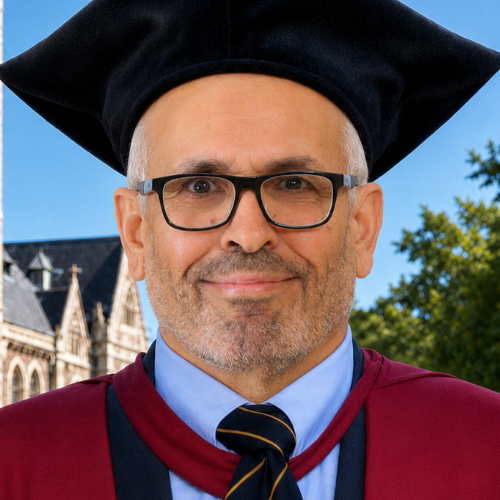
Ahmad Ghandour is an Adjunct Professor of E-Business and Information Systems with more than twenty years of teaching, research, and academic leadership experience across New Zealand, the United Arab Emirates, Jordan, Australia, and the United Kingdom. He completed his PhD at the University of Otago.
His recent work focuses on digital literacy, artificial intelligence competency, cybersecurity awareness, digital transformation, and behaviour-based assessment. He is the creator of the International Digital Driving License, or IDDL, a digital capability framework designed to assess what people know, what they can do, and how they reflect on their decisions in realistic digital environments.
His current work examines how digital capability can support responsible digital participation, institutional trust, and professional practice in the age of AI.
10:30 Morning Tea
New Plymouth District Council's library network generates millions of circulation transactions each year — checkouts, returns, renewals, holds, and transits — across seven branches and over 1,600 collection categories. Historically, turning this data into timely insight required specialist SQL skills and significant staff time.
In 2025–26, we deployed a natural-language AI analyst built on Snowflake Cortex, enabling library staff to ask plain-English questions of 14.7 million transactions spanning 2018 to today. The system uses a semantic model that maps library business concepts (collections, branches, transaction types) onto a cloud data warehouse, allowing questions like ""Which collections are growing in popularity year-on-year?"" or ""Which branches borrow the most from other branches?"" to return accurate, contextualised answers in seconds.
This presentation shares what worked, what surprised us, and what we learned — including the critical importance of semantic modelling, the unexpected queries staff actually asked versus what we anticipated, and how democratising data access shifted conversations from anecdote to evidence. We'll discuss the collaboration between library operations, IT, and Snowflake's AI platform developed by Qrious, and offer practical guidance for other GLAM organisations exploring AI-assisted analytics.
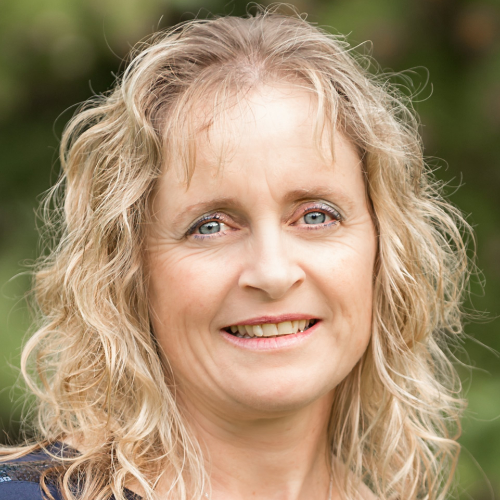
Angela Jowitt has a background as a Digital Library Specialist and now manages the Puke Ariki and Community Libraries. She is leading this project to bring better insights to Libraries through data and digital initiatives. NPDC's library network spans seven branches from Puke Ariki to the New Plymouth Mobile Library. With a focus on making operational data accessible and actionable, she has championed the adoption of AI-powered analytics to support evidence-based collection and service decisions.
Andrew Terwiel is a Data Engineer with New Plymouth District Council's Data & GIS team. Passionate about solving complex data challenges, he helps design and maintain the systems, integrations, and data pipelines that underpin reporting, analytics, and business intelligence across Council. Andrew enjoys turning data into practical outcomes and works collaboratively with colleagues to ensure information is accurate, accessible, and supports better decisions for the community.
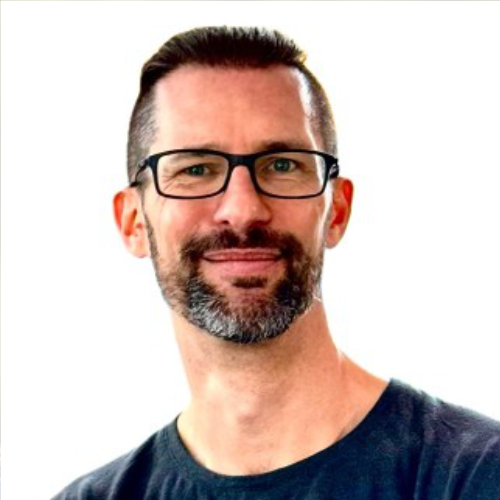
Eric Bonhomme is Spark | Qrious’ AI Practice Lead, where he leads the development of enterprise AI solutions that help organisations deploy AI safely, responsibly, and at scale.
He is also completing a Master of Artificial Intelligence by research at the University of Auckland, where his research focuses on Ethical Goal Decomposition, a novel framework for improving the evaluation, explainability, and governance of enterprise AI agents.
This illustrated talk will describe the successful implementation of an AI-assisted workflow in AV digital preservation.
AV Preservation staff at Ngā Taonga Sound & Vision were recently tasked with preserving a collection of DVD-Video recordings.
At the time we had few established protocols for preservation of DVDs. This issue arose during a project to digitise and preserve a recent nationally significant audiovisual deposit. Resolving this supported our mission to make audiovisual taonga accessible before the original carriers deteriorate beyond rescue.
After reaching consensus on how digital materials derived from DVDs would fit into our established preservation frameworks, the workflow’s design and testing phase hinged on the use of ChatGPT to write a shell script to faithfully extract digital files. Later use of the command-line agent Claude Code extended and formalised both the script and associated GitHub repository. This helped fix many edge-cases and anomalies that arose during the processing of the collection.
Without clear preservation protocols and workflows, audiovisual taonga are at risk. Appropriate collaboration with chatbots and agentic AI in writing code can assist archival institutions where in-house coding experience is limited. This project ensured long-term access to these taonga and established a model for future preservation initiatives.
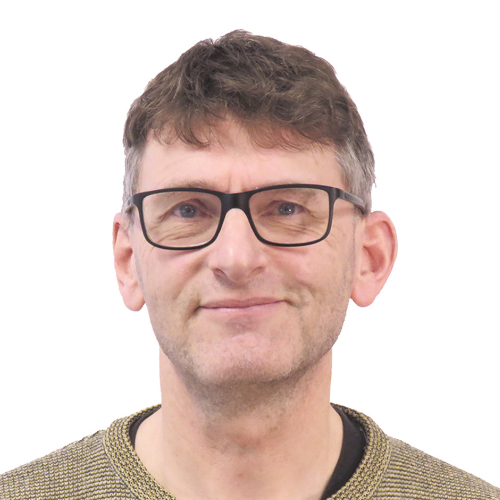
With a 40-year background in broadcast television, advertising and video editing, Tom Ackroyd came to Ngā Taonga Sound & Vision in 2016 as a born-digital collector. In 2020 he moved to the Preservation Team where he works to digitise and preserve a broad range of magnetic tape and optical disk audiovisual formats. His favourite format is DVCAM.
Tom lives in Matairangi Mount Victoria in Te Whanganui a Tara Wellington, with his wife Viv and their dog Fred. He is a keen choral singer, photographer and film-goer.
Our presentation will reflect on a decade of accepting and processing transfers of born-digital records from government agencies to Archives New Zealand. It traces the evolution of transfer workflows, highlighting key improvements in processes, tools, and collaboration with agencies.
Drawing on operational experience, we identify common digital preservation challenges, including file format issues, metadata quality, and managing scale. We discuss the tools and practices developed to support ingest, validation, and long-term preservation, as well as lessons learned in balancing standardisation with the diverse contexts of transferring agencies.
The presentation will also outline approaches to improving agency readiness, including guidance, engagement, and technical support. Finally, we present planned enhancements to transfer processes, with a focus on greater automation.
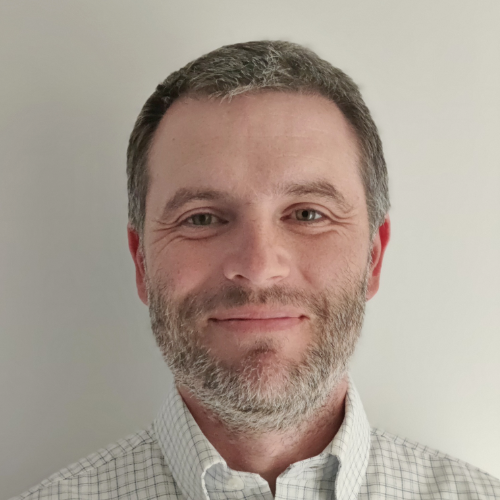
Jan Hutař has a PhD in Information Science, an MA in Information Studies and Librarianship, and a BA in Archival Studies. His career has involved experience in web archiving, digitisation workflow and metadata design, but his focus has been on preservation metadata and the digital preservation field. As a Digital Preservation Analyst at Archives New Zealand, Jan is responsible for developing digital preservation policies and processes, file format technical analysis, digital preservation system management, providing advice to government agencies regarding digital records management and born-digital record transfer.
Carly Lenz is a Digital Preservation Analyst at Archives New Zealand. Carly helps manage the Government Digital Archive (GDA), Archives’ long-term digital preservation system, and contributes to policy development, strategy, and digital transfer planning. Carly liaises with internal depositors to optimise workflows and ensure proper access to authentic intellectual content held in the GDA.
The Pacific faces many challenges in preserving cultural heritage. Through Digital Pasifik, we have seen these realities firsthand, the Pacific GLAM sector working with limited funding and resources to protect their stories, languages, and knowledge. This raises an important question: when resources are scarce, can collaboration be the solution? By working together, sharing skills, knowledge, and tools. We can strengthen preservation efforts and ensure Pacific cultural heritage is protected for future generations.
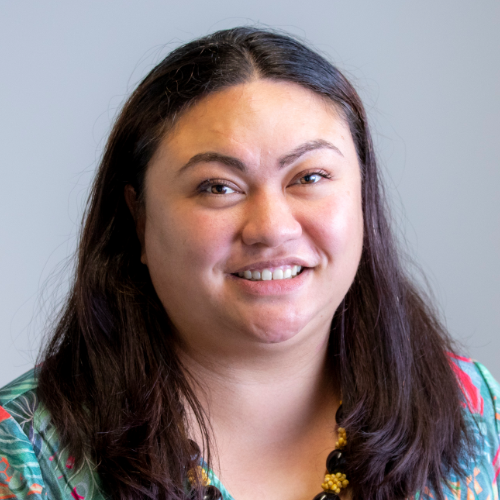
Taputukura Raea is of Cook Islands descent, with links to Mauke, Pamati, Rarotonga and Manihiki. She is the Programme Manager for Digital Pasifik at the National Library of New Zealand in Wellington, where she leads the platform and its initiatives. Her work focuses on improving access to Pacific taonga held overseas, connecting communities with their heritage. Digital Pasifik bridges the GLAM sector and Pacific communities, supporting reconnection and cultural continuity. With a strong background in community engagement, Taputukura is passionate about fostering Pacific-led connections to culture, history and heritage through respectful collaboration.
12:30 Lunch
Panel discussion on current sector challenges. Details and presenters to come.
The Birds of a Feather discussions are guided, small-group breakout sessions. Gather and discuss your thoughts on the themes that resonated with you most throughout the conference or bring your current challenges to the table.
Some topics will be pre-determined, and there will also be the opportunity to create new groups.
15:00 Afternoon Tea
15:20 **SPECIAL PRESENTATION** (Details TBA)
16:55 Conference closing remarks
17:10 Conference end